Dental · 6 min read

Gum Disease: The Silent Condition Most People Don't Know They Have

Healthy gums are an important part to a great smile. They are responsible for holding your teeth in place, acting as a protective seal against bacteria. When oral hygiene slips, bacteria can build up along the gum line, which can lead to gum disease. You are not alone if you have gum disease, it is more common than you think, starting silently, with most people only noticing an issue once it has progressed. The good news is that modern dentistry today can help treat gum disease effectively.

24 May 2026 · EyeSmile Clinical Team · Whitton, Twickenham

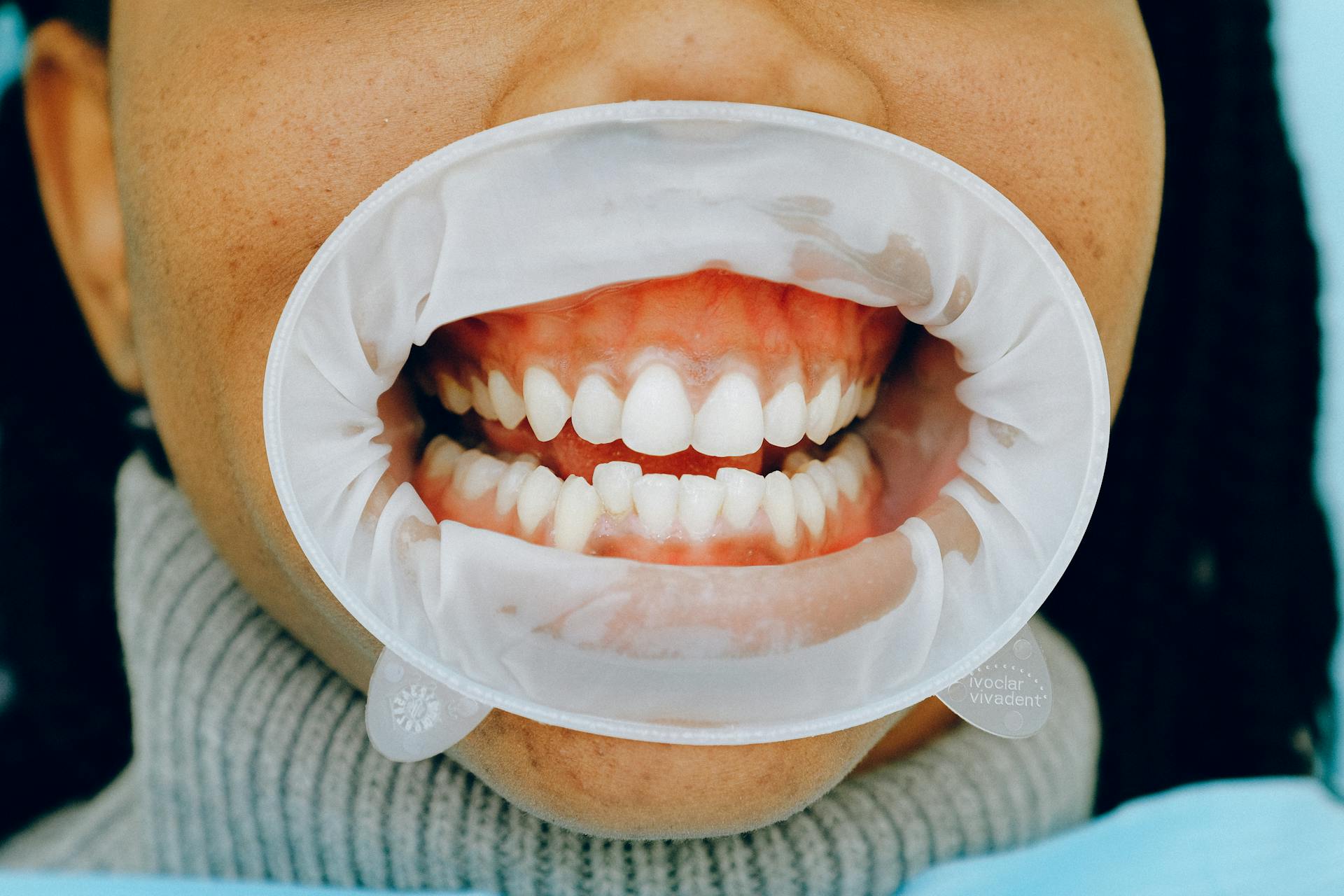
close-up of healthy teeth and gums following gum disease treatment

The Warning Signs

Gum disease typically progresses in two stages, starting with gingivitis. This is a mild form of gum disease that is reversible, while periodontitis, is advanced gum and bone damage. When you can recognise the warning signs early, you can protect your teeth from major dental issues further down the line:

  • Bleeding gums when brushing or flossing – often the first sign of gum disease
  • Persistent bad breath – bad breath or a metallic taste in your mouth
  • Red, swollen, or tender gums – signs of an infection
  • Receding gum line – your teeth look longer as your gums pull away, exposing the vulnerable roots hidden below
  • Loose or shifting teeth – an advanced stage of gum disease as the bone structure starts to degrade.

Gum Disease Treatments

If you have any of the symptoms above and are concerned you may have gum disease, there is good news, it is highly treatable, especially if you catch it early. Treatment is focused on controlling the infection, stopping disease progression:

Professional Deep Cleaning

In the early stages of gum disease, a dental hygienist appointment may be all that is needed to remove the plaque and tartar. If the disease has progressed further, your dentist may recommend scaling and root planing, a deeper clean where tartar is removed from above and below the gum line, smoothing out the rough spots on your roots to prevent the risk of bacteria reattaching.

Antimicrobial Therapies

If you have stubborn bacteria deep in your gum pockets, your dentist may prescribe an antiseptic mouthwash, antibiotic gel, or oral antibiotics to fight the infection effectively.

Surgical Interventions

Surgery is only recommended in very severe cases of periodontitis. Your dentist may recommend flap surgery to lift back the gums and remove tartar from deep in the pockets to bone and tissue grafts, helping to regenerate any lost structure.

Conclusion

Gum disease is often silent at first with most people only noticing a problem once the disease progresses. With the right proactive approach, you can avoid the risk of gum disease completely, preserving your natural teeth and protecting your smile. The most effective way to combat gum disease comes down to your oral hygiene routine. Brush twice daily, floss daily, and ensure you attend regular dental check-up and hygiene appointments, ensuring your gums remain healthy, firm, and infection-free. Contact EyeSmile today to book a dental check-up, your proactive step to combating gum disease.

Written by the EyeSmile clinical team — dental and optical clinicians in Whitton, Twickenham. This article is for general information only and does not constitute clinical advice.

Book an appointment →
FAQs

Frequently Asked Questions

The EyeSmile Dental team are standing by to answer any additional questions you may have.

Is bleeding when brushing normal?

Not at all. In fact, healthy gums shouldn't bleed during brushing. If your gums bleed when your brush or floss, this is the first sign of gum disease. At this early stage, it can be resolved quickly with a professional cleaning and improved oral hygiene. Do not ignore bleeding gums when brushing, call EyeSmile now to book your dental hygienist appointment without delay.

Is gum disease linked to heart disease?

There is a link between periodontitis and cardiovascular disease, though the reason is still being debated. The link is strong enough to encourage you to maintain good gum health to reduce your risk of cardiovascular disease in the future.

Can I treat gum disease at home?

While you can improve your oral hygiene at home, it's often not enough to treat gum disease effectively. Tartar and bacteria move deep into the gum pockets and can only be removed professionally. Home care is essential, but it cannot replace professional gum disease treatment.

Next step · Whitton, Twickenham

Ready to Book?

Speak with our dental or optical team in Whitton, Twickenham — expert care, clear advice.

GDC & GOC registered · CQC regulated020 8755 7900  ·  Twickenham
This website uses cookies to improve your experience.
By continuing to use this website, you consent to the use of necessary cookies.
Accept necesaryAccept selectionAccept all
Cookie Settings
Cookies are small text files stored on your computer by the websites you visit. They are commonly used to ensure websites function properly, enhance efficiency, and provide useful information to site owners. Below is a list of the cookies we use and their purposes.
Necessary
Necessary cookies support essential features like security, network management, and accessibility. While you can disable them through your browser settings, doing so may impact the functionality of the website.
Preferences
Preference cookies are used to save settings and information that customize the website's appearance and functionality.
Marketing
Marketing cookies help deliver relevant content, track browsing history, and offer personalized product recommendations to our visitors.
Analytics
Analytics cookies provide insights into how visitors interact with the website, including the number of visitors, their sources, and the pages they navigate. This data is collected and reported anonymously.